
Direct Answer:
Secondary combustion systems are a critical feature of modern high-efficiency cast iron stoves. They re-burn unburned gases from primary combustion, generating additional heat, reducing emissions, and maximizing fuel utilization.

1. Understanding Primary vs Secondary Combustion
In a traditional stove, primary combustion occurs in the firebox where fuel ignites. However, wood combustion is never 100% complete. Volatile gases and unburned particles escape into the flue, wasting energy and producing smoke.
Secondary combustion systems capture these gases and introduce them into a preheated combustion zone. By providing sufficient oxygen and temperature, these gases ignite a second time, releasing additional heat that would otherwise be lost.

2. How the Secondary Combustion System Works
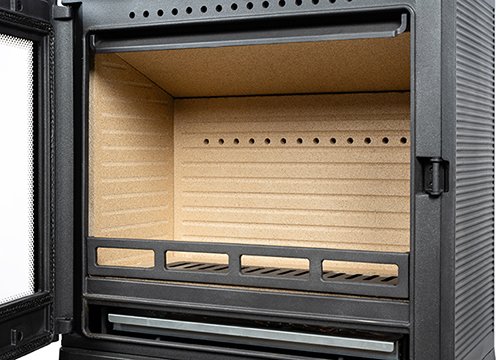
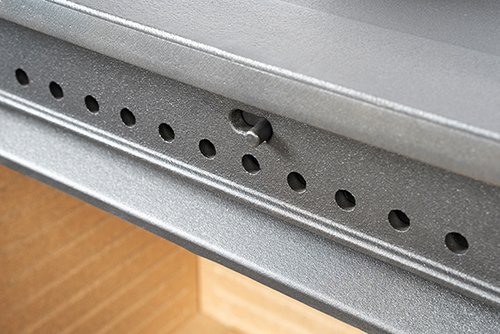
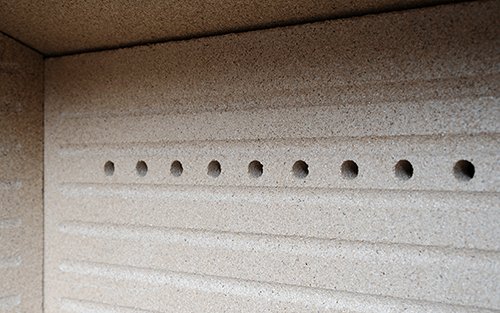
- Preheated Air Injection: Air is directed above the primary flame through carefully designed channels.
- Ignition of Volatile Gases: These gases combust at higher temperature in the secondary chamber.
- Extended Heat Release: The additional energy is radiated through the cast iron structure, improving room heating.
The result is higher efficiency, cleaner exhaust, and more stable heat output.
3. Efficiency Gains and Environmental Benefits
Secondary combustion reduces fuel consumption by 15–25% compared to stoves without this system. Particulate matter (PM) and carbon monoxide (CO) emissions drop significantly, meeting EU ECOdesign and EN 13240 standards.
This improvement is especially important for distributors and OEM partners targeting environmentally conscious markets.
4. Design Considerations for Optimal Performance
- Chamber Geometry: Proper placement of air channels and combustion space ensures complete gas burn.
- Airflow Control: Adjustable primary and secondary air inlets allow fine-tuning of burn rate.
- High-Temperature Materials: Heat-resistant cast iron and ceramic baffles maintain combustion temperatures for secondary ignition.
5. Relation to Overall Stove Efficiency
Secondary combustion directly links to combustion efficiency and eco-friendly design. By extracting more energy per kilogram of wood, stoves operate cleaner, consume less fuel, and deliver consistent heat output.
6. Summary
The secondary combustion system transforms modern cast iron stoves into highly efficient, low-emission heating solutions. Properly engineered, it ensures complete fuel utilization, reduces smoke, and meets stringent environmental standards, establishing cast iron stoves as a reliable, eco-conscious choice for winter heating.
About Fireway
Fireway manufactures high-efficiency cast iron stoves with in-house foundry and EU-focused standards. Our secondary combustion designs maximize heat, reduce emissions, and ensure regulatory compliance for distributors and OEM partners worldwide.
/script>
